

Sleep problems can quietly affect health, mood, and daily performance. While occasional poor sleep is common, ongoing issues often signal an underlying disorder. Modern sleep diagnosis goes beyond basic observation, using structured assessments and advanced testing to uncover the true causes of disrupted rest and guide effective treatment.
What Is Sleep Diagnosis and Why It Is Important
Sleep diagnosis is the medical process of identifying conditions that interfere with healthy sleep. Rather than focusing only on symptoms like tiredness or snoring, it aims to understand what is happening in the body during sleep.
This process is important because many sleep disorders look similar on the surface. Accurate diagnosis ensures the right condition is treated, helping prevent long-term health risks and improving sleep quality, energy levels, and overall wellbeing.
Common Sleep Disorders and Their Symptoms
Several sleep disorders commonly affect adults and children. Insomnia involves difficulty falling asleep, staying asleep, or waking too early. Sleep apnoea causes repeated pauses in breathing during sleep and often leads to loud snoring and daytime fatigue.
Other conditions include restless legs syndrome, which creates uncomfortable leg sensations at night, and circadian rhythm disorders that disrupt natural sleep-wake timing. Narcolepsy, though less common, causes excessive daytime sleepiness and sudden sleep episodes.
How Sleep Disorders Are Identified
Modern sleep diagnosis combines clinical insight with advanced testing methods to provide accurate results.
Clinical Evaluation
Diagnosis typically begins with a detailed consultation. Healthcare providers assess sleep routines, lifestyle habits, medical history, medications, and symptoms. Sleep questionnaires or diaries may be used to track patterns and identify factors affecting rest.
Sleep Studies
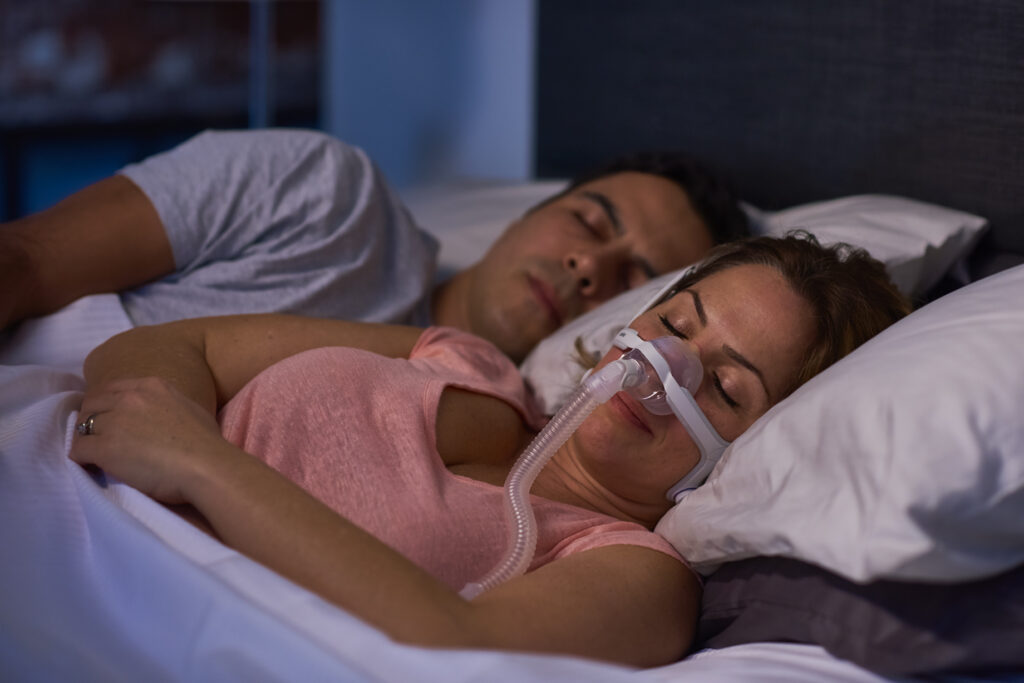
In-lab sleep studies, known as polysomnography, remain a key diagnostic tool. These studies monitor brain activity, breathing, heart rate, oxygen levels, and movement during sleep, offering a comprehensive view of sleep behaviour.
Home Sleep Testing
Home sleep tests are increasingly used, particularly for suspected sleep apnoea. These tests allow people to sleep in their own environment while collecting essential data. While convenient, they are used selectively based on clinical needs.
Treatment Options After Diagnosis
Once a sleep disorder is diagnosed, treatment can be tailored to the individual. Behavioural therapies, such as cognitive behavioural therapy for insomnia, help improve sleep habits and address unhelpful sleep-related thoughts.
Medical treatments may include CPAP therapy for sleep apnoea, oral appliances, or prescribed medications. Lifestyle changes, including consistent sleep schedules, stress reduction, and improved sleep environments, often support long-term treatment success.
Benefits of Early and Accurate Sleep Diagnosis
Early diagnosis helps prevent sleep disorders from worsening and reduces the risk of related conditions such as heart disease, depression, and impaired concentration. It also improves daytime alertness, productivity, and emotional balance.
Accurate diagnosis avoids unnecessary treatments and frustration. With a clear understanding of the problem, individuals can follow an effective plan that delivers meaningful and lasting improvements.
Conclusion
Modern sleep diagnosis has evolved well beyond basic sleep studies, offering precise tools to identify the causes of poor sleep. By combining clinical evaluation with advanced testing, individuals can move from uncertainty to effective treatment. Early and accurate diagnosis is a key step toward healthier sleep and better long-term wellbeing.
Frequently Asked Questions (FAQs)
How have sleep diagnosis methods changed in recent years?
Sleep diagnosis has advanced with improved technology and testing options. In addition to traditional sleep studies, home sleep tests and digital monitoring tools are now available. These developments make diagnosis more accessible while still providing reliable data to guide accurate treatment decisions.
Are modern sleep studies suitable for people with busy schedules?
Yes, modern sleep diagnosis offers flexible options. Home sleep testing allows people to be assessed in their own environment, reducing time commitments. Even in-lab studies are designed to be efficient, with streamlined processes that minimise disruption while delivering detailed and accurate results.
Can sleep diagnosis identify problems other than sleep apnoea?
Yes, sleep diagnosis can uncover a wide range of conditions beyond sleep apnoea. These include insomnia, movement disorders, circadian rhythm issues, and neurological sleep conditions. Comprehensive evaluation ensures all contributing factors are identified, not just breathing-related problems.
Is technology making sleep diagnosis more accurate?
Advances in monitoring equipment and data analysis have improved accuracy significantly. Modern sensors capture detailed information about sleep stages, breathing, and movement. This allows specialists to make more precise diagnoses and tailor treatments more effectively than in the past.
Do I need a referral to undergo a sleep diagnosis?
In many cases, a referral from a healthcare provider is required to begin formal sleep testing. This ensures testing is appropriate and targeted. A referral also helps integrate results into an overall care plan, improving coordination and treatment outcomes.
