
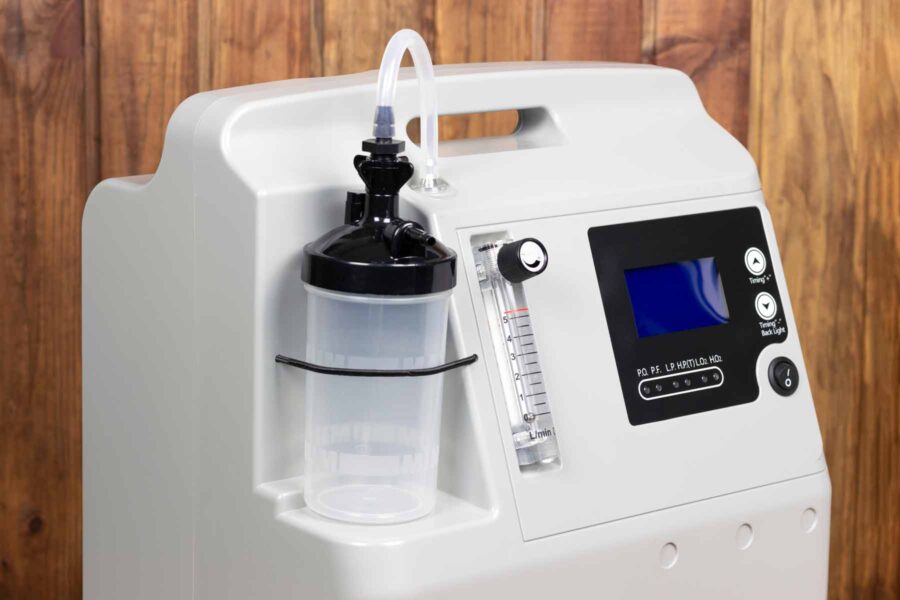
What is a Portable Oxygen Concentrator and Why is it Important for Supplemental Oxygen Therapy?
A portable oxygen concentrator is a medical device that extracts oxygen from ambient air and delivers concentrated oxygen to individuals with respiratory conditions. Unlike traditional oxygen tanks, these battery-powered units continuously generate oxygen, eliminating the need for refills or replacements.
The device works by drawing in room air, filtering out nitrogen, and delivering purified oxygen through a nasal cannula or mask. This technology allows users to maintain their prescribed oxygen therapy while moving freely throughout their day.
Accessibility to portable oxygen concentrators transforms daily life for people requiring supplemental oxygen therapy. Patients with conditions like COPD, emphysema, or pulmonary fibrosis can:
- Travel without the weight and limitations of oxygen tanks
- Maintain active lifestyles and social connections
- Participate in activities outside the home with confidence
- Reduce anxiety about running out of oxygen supply
The compact, lightweight design of modern portable oxygen concentrators makes them suitable for use at home, in vehicles, and various mobile environments. This mobility directly impacts quality of life, enabling patients to work, visit family, and engage in recreational activities while receiving continuous oxygen therapy.
For those wondering where can I buy or rent a portable oxygen concentrator machine, understanding the device’s purpose helps determine whether purchasing or renting best suits individual health needs and lifestyle requirements.
Where Can They Buy a Portable Oxygen Concentrator?
The most straightforward way to buy a portable oxygen concentrator is through direct purchase from the manufacturer. This method eliminates intermediaries and provides immediate access to product specialists who understand every technical detail and feature of their devices.
Leading Manufacturers and Their Direct Sales Channels
Inogen is a global leader in portable oxygen therapy solutions. They offer direct purchase options through their website and dedicated oxygen specialists. By buying directly from Inogen, customers can ensure they receive authentic products with full manufacturer warranties, such as those detailed on Jaguar’s warranty page, and comprehensive support packages.
Advantages of Direct Manufacturer Purchases
Direct manufacturer purchases provide several distinct advantages:
- Guaranteed authenticity: The device is guaranteed to be genuine with no risk of refurbished or counterfeit units.
- Immediate access: Customers have immediate access to the latest models and technology updates.
- Direct communication: Customers can communicate directly with product experts who designed and manufactured the equipment.
- Comprehensive warranty coverage: The original manufacturer backs the warranty coverage.
- Priority customer service: Technical support and troubleshooting receive priority attention.
Popular Models Available for Purchase
The following are two popular models offered by Inogen that are available for direct purchase:
- Inogen One G4: This model represents one of the most compact and lightweight options on the market, weighing just 2.8 pounds. It delivers oxygen flow settings from 1-3, making it ideal for patients with mild to moderate oxygen needs who prioritize portability.
- Inogen One G5: This model offers enhanced capabilities with flow settings from 1-6, accommodating patients requiring higher oxygen outputs. Weighing 4.7 pounds, it balances power with portability, featuring an intuitive control panel and extended battery life options.
Manufacturer Support Throughout the Purchase Process
When buying a portable oxygen concentrator directly from manufacturers like Inogen, customers can expect dedicated educational resources as part of their purchase experience. Product specialists guide customers through various aspects such as:
- Device selection based on prescribed oxygen flow rates and lifestyle requirements
- Feature comparisons between different models to match specific needs
- Operational training covering battery management, maintenance schedules, and troubleshooting
- Accessory recommendations including extra batteries, carrying cases, and power adapters
- Documentation assistance for insurance claims and reimbursement processes
In addition to these personalized support services during the purchasing process, manufacturers also provide ongoing product education through various channels such as video tutorials, user manuals, and 24/7 customer support hotlines. This comprehensive approach ensures users feel confident operating their equipment from day one, reducing anxiety associated with unfamiliar devices or medical treatments.
What Are the Benefits of Buying a Portable Oxygen Concentrator?
Buying a portable oxygen concentrator provides full ownership advantages that make it ideal for patients requiring continuous, long-term oxygen therapy. Ownership means complete control over the device without monthly rental fees or return obligations.
The benefits of buying oxygen concentrator units become apparent when calculating costs over extended periods. While the initial investment ranges from $2,000 to $3,500 depending on the model, this one-time expense eliminates recurring rental payments that can accumulate to thousands of dollars annually. Patients using oxygen therapy for years will find purchasing significantly more economical than renting.
Long-term ownership grants several practical advantages:
- Unlimited usage without worrying about rental periods or extensions
- Freedom to modify settings according to changing oxygen needs
- No monthly billing cycles or late fees to manage
- Device customization with preferred accessories and carrying cases
Manufacturers like Inogen include comprehensive warranties covering parts and labor for three years on models such as the G4 and G5. Extended service plans offer additional protection beyond the standard warranty period, ensuring repairs and maintenance without unexpected costs. These warranties provide peace of mind that rental agreements typically don’t include.
Owned devices can be used anywhere—at home, during travel, or in vehicles—without coordinating with rental companies or managing equipment returns. This independence proves invaluable for active patients maintaining their lifestyle while managing oxygen therapy requirements.
Furthermore, it’s worth noting that purchasing a portable oxygen concentrator may also have sales tax implications depending on your location. Understanding these aspects can further enhance the financial benefits of owning rather than renting such essential medical equipment.
Where Can They Rent a Portable Oxygen Concentrator?
Patients can rent portable oxygen concentrator units directly from manufacturers like Inogen, who offer flexible rental programs that may be covered by Medicare, Medicaid, or private insurance plans when prescribed by a physician. The Inogen One G3, for example, is commonly available as a rental unit and may come at little to no additional cost depending on insurance eligibility and coverage terms.
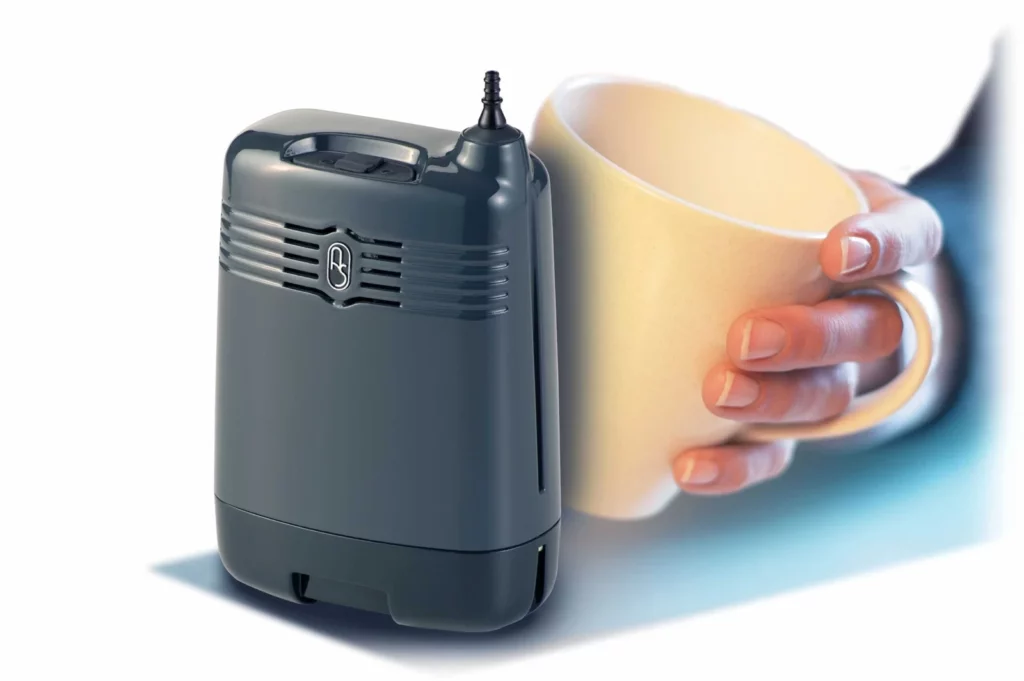
Medical equipment suppliers rental services provide another reliable avenue for obtaining portable oxygen concentrators on a temporary basis. These specialized suppliers maintain inventories of both stationary and portable units, serving patients who need oxygen therapy for recovery periods, travel, or trial purposes before committing to a purchase. Many suppliers operate regionally or nationally, offering comprehensive rental programs with varying terms and conditions.
Short-Term vs. Long-Term Rental Options
Short-term rentals typically span from a few days to several weeks, making them ideal for:
- Post-surgical recovery periods
- Vacation or travel needs
- Trial periods to test specific models
- Temporary health conditions requiring supplemental oxygen
Long-term rentals extend beyond one month and often include:
- Month-to-month agreements with flexible cancellation
- Reduced daily or monthly rates compared to short-term options
- Maintenance and equipment replacement services
- Insurance billing assistance for ongoing therapy needs
Delivery and Support Services
Rental providers typically deliver equipment directly to patients’ homes, eliminating the need for pickup or transportation arrangements. This service proves particularly valuable for individuals with mobility limitations or those requiring immediate oxygen therapy access. Most suppliers include setup assistance, ensuring patients understand proper operation before the technician leaves.
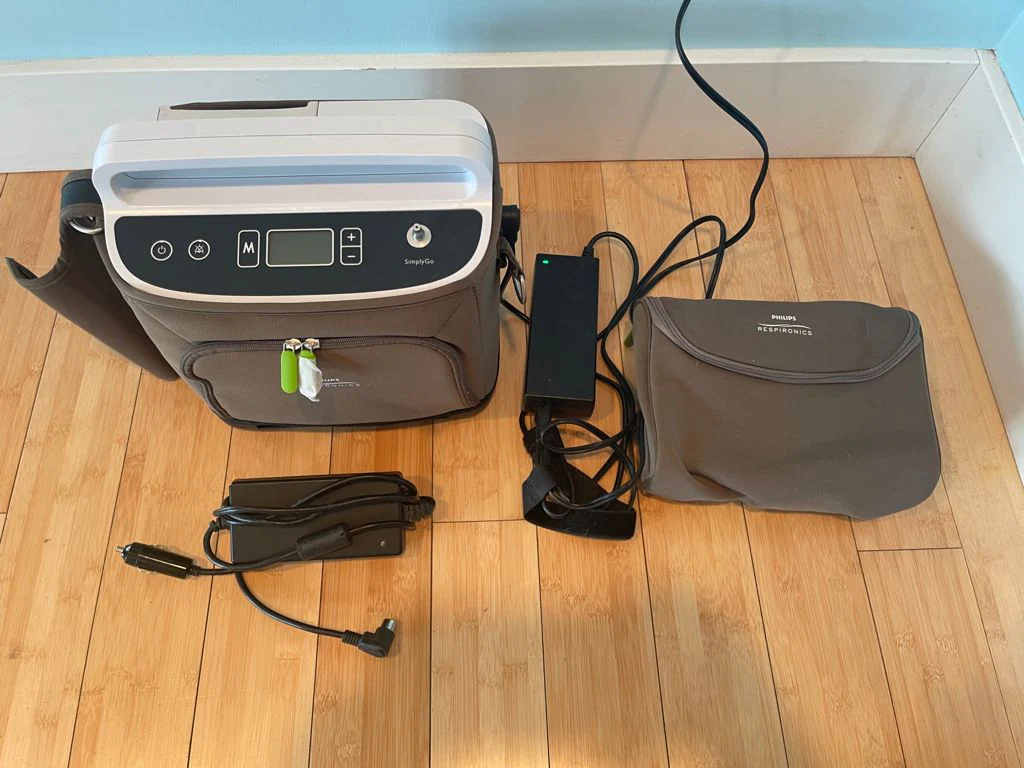
Inogen rental options come with dedicated oxygen specialists who guide patients through the entire rental process. These experts verify insurance coverage, coordinate with physicians for prescription requirements, complete necessary paperwork, and arrange delivery schedules. The rental package usually includes the concentrator unit, carrying case, AC and DC power supplies, and backup oxygen supplies for emergency situations.
Expert support extends beyond initial delivery. Rental providers offer 24/7 technical assistance, troubleshooting guidance, and equipment replacement if units malfunction. This continuous support ensures patients maintain uninterrupted oxygen therapy throughout their rental period, whether they’re recovering at home or traveling across the
How Does Insurance Affect Renting or Buying Portable Oxygen Concentrators?
Insurance coverage for oxygen concentrators options depend heavily on a valid physician prescription documenting medical necessity. Without this prescription, most insurance plans—including Medicare and Medicaid oxygen equipment programs—will not approve coverage for either rental or purchase of portable oxygen concentrators.
Medicare Coverage for Oxygen Equipment Rentals
Medicare Part B typically covers oxygen equipment rentals when prescribed by a doctor for use in the home. The coverage includes:
- Rental payments for up to 36 months, after which beneficiaries may own the equipment
- Portable oxygen concentrators classified as durable medical equipment (DME)
- Coverage requiring the supplier to be Medicare-enrolled and meet specific accreditation standards
Medicaid Coverage for Oxygen Equipment
Medicaid coverage varies by state but often follows similar guidelines to Medicare, requiring medical documentation and supplier certification.
Steps to Verify Insurance Eligibility
Verifying insurance eligibility involves several steps:
- Obtain a detailed prescription from your physician specifying oxygen flow requirements
- Contact your insurance provider to confirm DME coverage limits and approved suppliers
- Request a benefits breakdown showing copayments, deductibles, and coverage duration
- Verify whether your chosen supplier accepts assignment from your insurance plan
- Review documentation requirements for pre-authorization if needed
Private Insurance Plans and Oxygen Equipment Coverage
Private insurance plans may offer different coverage structures, with some covering purchases outright while others prefer rental arrangements. Contacting the oxygen concentrator supplier’s insurance specialists can streamline the verification process, as they regularly navigate claims submissions and authorization requirements across multiple insurance providers.
When Is Renting a Portable Oxygen Concentrator More Suitable Than Buying?
Renting makes the most sense when oxygen therapy is needed for a limited time period or specific situations. Patients recovering from surgery, managing acute respiratory conditions, or dealing with temporary breathing difficulties benefit from the flexibility that rentals provide.
Travel Needs
Travel represents another prime scenario for rentals. Vacationers or business travelers requiring oxygen support for short trips avoid the upfront investment and maintenance responsibilities of ownership. Rental companies deliver units directly to hotels, cruise ships, or vacation destinations, then retrieve them after use.
Temporary Oxygen Therapy Needs
Temporary oxygen therapy needs during altitude adjustments, post-hospitalization recovery, or seasonal respiratory challenges don’t justify purchasing equipment. Rentals eliminate the burden of storing, maintaining, and eventually disposing of a concentrator that serves only short-term purposes.
Flexibility in Equipment Usage
The flexibility factor extends beyond duration. Renters can:
- Test different models before committing to purchase
- Upgrade or downgrade units based on changing oxygen requirements
- Avoid repair costs and maintenance responsibilities
- Cancel service when therapy ends without financial loss
Financial Considerations
Patients uncertain about their long-term oxygen needs preserve financial resources through rentals. Those awaiting insurance approval for purchase can bridge the gap with rental units while paperwork processes. Caregivers managing fluctuating patient conditions appreciate the ability to adjust equipment without ownership constraints.
What Should They Consider Before Buying or Renting a Portable Oxygen Concentrator?
Consulting healthcare providers for recommendations stands as the most critical step before choosing an oxygen concentrator option. Your physician or respiratory therapist can determine your specific oxygen flow requirements, activity levels, and duration of therapy needed. They assess whether continuous flow or pulse dose delivery suits your condition better and prescribe the appropriate oxygen settings.
Medical professionals evaluate several clinical factors:
- Oxygen saturation levels during rest, activity, and sleep
- Frequency of use throughout the day and night
- Mobility requirements based on lifestyle and daily activities
- Portability needs for travel, work, or social engagements
Healthcare providers also guide you through the factors buying vs renting oxygen machine by considering your prognosis and treatment timeline. They can clarify whether your condition requires short-term supplemental oxygen following surgery or hospitalization, or if you’ll need long-term oxygen therapy for chronic respiratory conditions.
Your medical team connects you with durable medical equipment suppliers and helps complete necessary documentation for insurance authorization. They monitor your response to oxygen therapy and adjust prescriptions as your needs change, ensuring the equipment you select—whether purchased or rented—continues meeting your therapeutic requirements effectively. You may like to visit https://cbdoil30.com/portable-oxygen-concentrator-vs-cylinder-which-is-more-practical/ to get more about Portable Oxygen Concentrator vs Cylinder: Which Is More Practical?.
How Do You Make the Right Choice Between Buying and Renting?
The decision to buy or rent a portable oxygen concentrator depends entirely on your unique health situation and financial circumstances. Personal oxygen requirements, treatment duration, and budget constraints should guide your choice between ownership and rental arrangements.
Your healthcare provider remains your most valuable resource when navigating this buy or rent decision guide. Medical professionals can assess whether your oxygen therapy needs are temporary or permanent, helping determine which option delivers better value. They also facilitate insurance approvals that may significantly reduce out-of-pocket expenses.
Key factors in acquiring portable oxygen concentrator summary:
- Evaluate how long you’ll need supplemental oxygen therapy
- Compare total costs of purchasing versus long-term rental fees
- Review insurance coverage options with your provider
- Consider lifestyle factors like travel frequency and mobility needs
- Assess warranty and maintenance support availability
Manufacturers like Inogen and specialized medical equipment suppliers offer expert guidance throughout the selection process. Their oxygen specialists can answer technical questions, explain insurance procedures, and ensure you receive appropriate training on device operation. Taking time to research options and consult professionals leads to confident, informed decisions about your oxygen therapy solution.
