

Introduction
Chronic pain affects millions of people worldwide, often diminishing their quality of life and leading to dependency on opioids or other powerful medications. As medical research evolves, medical marijuana has emerged as a promising alternative — one that offers relief without the same level of risk associated with traditional painkillers.
From cancer-related discomfort to neuropathic pain and arthritis, patients across the globe are turning to cannabis-based therapies for help. But what makes marijuana so effective for pain management? The answer lies in the plant’s remarkable chemistry — and how it interacts with the body’s natural systems.
What Is Medical Marijuana?
Medical marijuana refers to the use of the Cannabis sativa or Cannabis indica plant and its active compounds — primarily THC (tetrahydrocannabinol) and CBD (cannabidiol) — to alleviate specific medical conditions.
Unlike recreational cannabis, medical marijuana is carefully formulated, prescribed, and dosed under a healthcare professional’s guidance. Patients use it for therapeutic purposes such as reducing inflammation, controlling seizures, and — most notably — managing chronic pain.
In most regions, medical marijuana is available only through licensed dispensaries or pharmacies and requires a doctor’s approval. Its formulation, potency, and delivery methods (oils, capsules, edibles, or vaporized products) are strictly regulated to ensure consistency and safety.
See more: How Medical Cannabis Is Changing the Lives of Epilepsy Patients
How Cannabis Works in the Human Body
To understand why cannabis helps with pain, we first need to look at the endocannabinoid system (ECS) — a biological network discovered in the 1990s that plays a vital role in regulating pain, mood, appetite, and immune function.
The ECS consists of three key components:
- Endocannabinoids: Natural molecules produced by the body.
- Receptors: Located throughout the body (CB1 in the brain and CB2 in the immune system).
- Enzymes: Responsible for breaking down endocannabinoids once they’ve done their job.
When cannabinoids from medical marijuana — like THC and CBD — enter the body, they interact with these receptors, altering how pain signals are transmitted to the brain.
- THC binds primarily to CB1 receptors, influencing pain perception and producing mild euphoria.
- CBD interacts with CB2 receptors, reducing inflammation and calming the nervous system without intoxication.
This synergy helps reduce both the intensity and emotional distress associated with chronic pain.
Key Medical Uses and Benefits
Medical marijuana has gained attention for its broad therapeutic potential, particularly in chronic pain management. It’s now used as an adjunct or alternative to conventional therapies in various conditions:
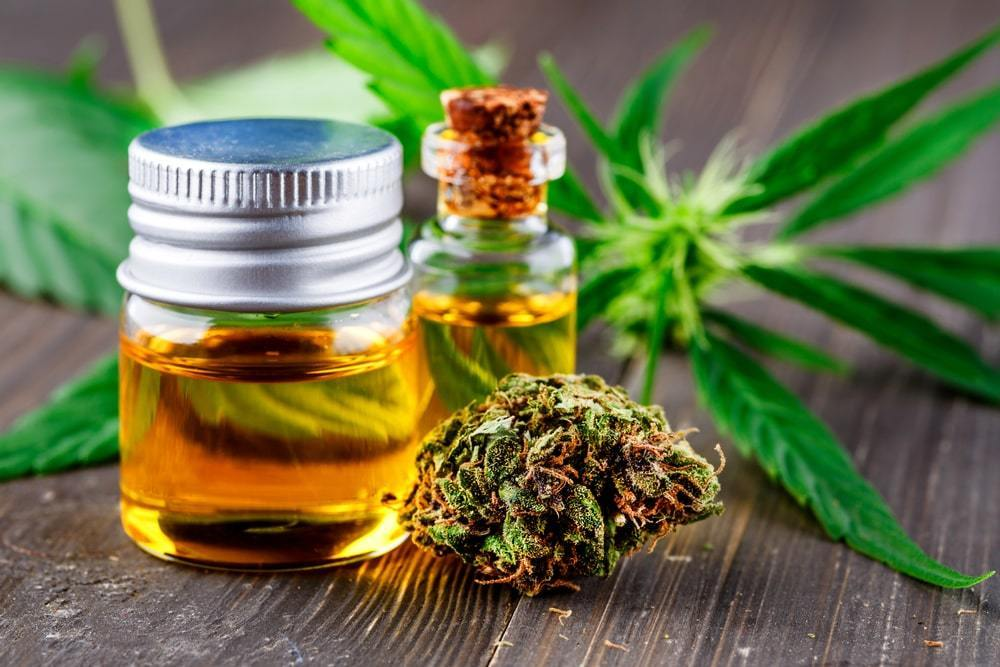
- Arthritis and Joint Pain: CBD-based topicals and oils help decrease inflammation and stiffness in joints.
- Neuropathic Pain: Patients with multiple sclerosis or diabetic neuropathy often report relief from nerve-related discomfort.
- Cancer-Related Pain: Cannabis can ease chemotherapy-induced nausea, appetite loss, and pain.
- Fibromyalgia and Migraines: Some studies show cannabis may help reduce the frequency and intensity of chronic pain episodes.
- Post-Surgical and Back Pain: Many patients have turned to cannabis to manage pain while avoiding long-term opioid use.
A 2022 study published in the Journal of Pain Research found that 62% of chronic pain patients reported a reduction in opioid use after beginning medical cannabis therapy — highlighting its role in promoting safer pain management practices.
The Role of Cannabinoids: CBD and THC
Two compounds — CBD and THC — drive most of cannabis’s medical benefits, but they function quite differently:
- CBD (Cannabidiol):
- Non-psychoactive (doesn’t produce a “high”)
- Known for anti-inflammatory, anti-anxiety, and neuroprotective effects
- Often used for pain management, anxiety relief, and seizure disorders
- THC (Tetrahydrocannabinol):
- Psychoactive component responsible for the euphoric feeling
- Provides powerful pain and nausea relief
- Can help with sleep and muscle spasms
Most medical marijuana products combine both cannabinoids in controlled ratios. A balanced formulation allows patients to experience therapeutic benefits with minimal side effects.
For example, a 1:1 CBD-to-THC oil is often prescribed to chronic pain patients for all-day relief without significant cognitive impairment.
Medical Marijuana in Modern Treatments (Real-World Examples)
Across the world, healthcare systems are embracing cannabis-based treatments:
- United States: States like California, New York, and Colorado permit medical marijuana prescriptions for chronic pain. Clinics often integrate cannabis therapy alongside physical rehabilitation and psychological support.
- Canada: Since full legalization, thousands of patients with neuropathic and cancer-related pain have benefited from physician-prescribed cannabis oils.
- Australia: The Therapeutic Goods Administration (TGA) has approved over 400,000 medical cannabis prescriptions since 2016, with pain management being the most common reason for use.
One Australian patient, for instance, reported significant improvement in back pain after transitioning from high-dose opioids to a regulated cannabis oil regimen — without experiencing the cognitive fog or dependency risks associated with opioids.
Legal and Ethical Considerations
The legality of medical marijuana varies across regions:
- In Australia, patients require TGA approval and a prescription from a licensed doctor.
- In the U.S., medical cannabis is legal in over 30 states but remains federally classified as a controlled substance.
- In Canada, it’s fully legalized and integrated into the national healthcare framework.
Ethical concerns often revolve around accessibility, affordability, and the stigma that still surrounds cannabis use. Many patients face hurdles obtaining prescriptions due to outdated perceptions or lack of physician training.
Potential Risks and Side Effects
While generally safe under medical supervision, cannabis is not without side effects. Patients may experience:
- Drowsiness or fatigue
- Dry mouth
- Dizziness
- Temporary memory or concentration issues
- Increased heart rate (rare in moderate doses)
Long-term, excessive THC use can lead to dependency or tolerance. Hence, medical guidance is essential to ensure proper dosage and safe, effective treatment.
The Future of Cannabis in Medicine
The future of medical marijuana is bright — and backed by ongoing research. Scientists are now exploring:
- Synthetic cannabinoids that target specific receptors for precision pain management
- Nano-formulated cannabis for faster absorption and consistent results
- Personalized cannabinoid therapy based on genetic profiling
Countries like Germany and Israel are leading clinical research into cannabis-based pain management, aiming to refine treatment protocols and reduce reliance on opioids.
Public attitudes are also shifting rapidly. As more healthcare professionals witness firsthand the benefits of cannabis for chronic pain, its place in mainstream medicine continues to solidify.
Conclusion
Medical marijuana represents one of the most promising advancements in pain management today. Through its interaction with the endocannabinoid system, it offers a natural and effective alternative to traditional painkillers — often with fewer side effects and lower addiction risks.
While more research is still needed, the evidence is clear: cannabis, when used responsibly and under medical supervision, can dramatically improve the quality of life for patients living with chronic pain.
As society moves toward greater acceptance, the future of medical marijuana looks not only hopeful but transformative.
FAQS
Medical marijuana is commonly prescribed to manage chronic pain, anxiety, epilepsy, and chemotherapy-related nausea. It helps reduce opioid dependence and improve overall quality of life when taken under proper medical guidance.
In most regions, medical marijuana is not yet covered by insurance because it remains a controlled substance. However, as research grows and laws evolve, insurance coverage may become more common.
CBD is non-psychoactive and reduces pain and inflammation without a “high.” THC is psychoactive but provides stronger pain relief and is often used in combination with CBD for balanced therapy.
Patients must consult a licensed healthcare provider, obtain approval or a prescription, and purchase cannabis products from authorized dispensaries or pharmacies. Regulations differ by country and region.
Possible side effects include dizziness, drowsiness, and short-term memory issues. However, under medical supervision and proper dosing, it is generally safe and effective for chronic health conditions.
